Sleep is essential for overall health, yet many struggle to achieve those restful Z’s. One often-overlooked factor in sleep quality is MAGNESIUM. This vital mineral plays a key role in regulating sleep patterns, and understanding its benefits can be transformative.
In this article, we’ll delve into the SCIENCE BEHIND MAGNESIUM AND SLEEP, exploring how this mineral impacts our bodies and minds. Next, we will discuss the DIFFERENT TYPES OF MAGNESIUM SUPPLEMENTS, highlighting which forms are most effective for promoting relaxation and sleep.
Choosing the right supplement can be daunting, but fear not! Our section on HOW TO CHOOSE THE RIGHT MAGNESIUM SUPPLEMENT FOR SLEEP will simplify the process. Additionally, we will explore NATURAL SOURCES OF MAGNESIUM FOR SLEEP SUPPORT, helping you incorporate this mineral into your diet.
Lastly, we’ll share LIFESTYLE TIPS for enhancing sleep quality with magnesium. Let’s embark on this journey to better sleep together!
Magnesium is often referred to as a “silent hero” in the realm of wellness, particularly when it comes to promoting a good night’s sleep. This essential mineral is involved in over 300 biochemical processes in the body, but its influence on sleep is especially noteworthy.
How Magnesium Affects Sleep Hormones
Magnesium’s primary role in sleep regulation involves its interaction with vital hormones. One of the most crucial is melatonin, the hormone responsible for regulating the sleep-wake cycle. Magnesium helps to support melatonin production, ensuring your body knows when it’s time to wind down. Conversely, magnesium also plays a role in modulating cortisol, a stress hormone that can disrupt sleep. Elevated cortisol levels can prevent you from falling asleep or cause restless nights, making adequate magnesium levels vital for maintaining a balance.
Consequences of Magnesium Deficiency
A deficiency in magnesium can lead to a variety of sleep disturbances. Research has shown that low magnesium levels are linked to:
Insomnia: Difficulty falling and staying asleep.
Restless Leg Syndrome: A condition that can lead to uncomfortable sensations in the legs, making it challenging to relax and sleep.
Sleep Apnea: Interruptions in breathing while sleeping can be exacerbated by low magnesium levels.
In fact, a study revealed that individuals with chronic insomnia had significantly lower magnesium levels compared to those who slept well. This suggests that ensuring adequate magnesium intake is a fundamental pillar for those struggling with sleep issues.
Real-life Applications
Consider Jane, a busy professional who often felt anxious at night, leading to sleeplessness. After consulting with her healthcare provider, she began incorporating magnesium-rich foods like almonds and spinach into her diet and considered a magnesium supplement. Within a few weeks, Jane reported improved sleep quality and found it easier to unwind in the evenings. Her experience underscores the potential benefits that adequate magnesium can provide.
Moreover, magnesium works synergistically with other nutrients, enhancing its sleep-inducing properties. When combined with other natural remedies like valerian root or chamomile, it can amplify relaxation effects, leading to more restful nights.
As we move forward, we’ll delve into the DIFFERENT TYPES OF MAGNESIUM SUPPLEMENTS available, helping you identify which form might best suit your needs for quality sleep.
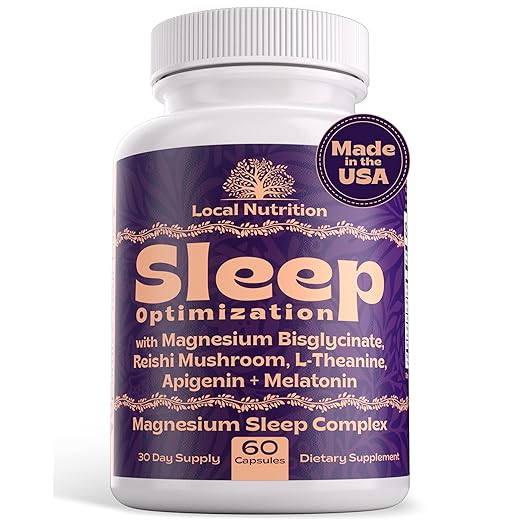
Editor's Choice
Natural Sleep Aid with Magnesium and Mushrooms
Ultimate blend for restful sleep and relaxation
This sleep supplement combines Magnesium Glycinate with Reishi Mushroom and L-Theanine to promote deep, restorative sleep. Enjoy a natural way to enhance your sleep quality and daily vitality with trusted ingredients backed by science.
When it comes to magnesium supplements, not all forms are created equal. Various types have differing bioavailability and absorption rates, influencing their effectiveness for sleep support. Understanding these distinctions can help you choose the right supplement for a more restful night.
Popular Forms of Magnesium
Here’s an overview of some commonly available magnesium supplements:
Magnesium Citrate: Known for its high bioavailability, this form is easily absorbed by the body. It’s often used to alleviate constipation and is an excellent option for people seeking to relax and promote restful sleep.
Magnesium Glycinate: This form combines magnesium with glycine, an amino acid that enhances its calming effects. It’s gentle on the stomach and less likely to cause digestive discomfort, making it a favorite for those focused on sleep improvement.
Magnesium Oxide: While this form contains a higher amount of magnesium per dose, it has a lower absorption rate compared to citrate and glycinate. It may serve well for those seeking to address magnesium deficiency, but it’s not the best choice for sleep-related issues.
Magnesium Chloride: This type is easily absorbed and can be found in topical forms, like oils or lotions. These applications can provide localized benefits, but it’s worth noting that systemic effects for sleep might be limited when applied topically.
Magnesium Threonate: A newer player in the magnesium space, this form has been shown to penetrate cell membranes and may support cognitive function alongside promoting relaxation. Research into its effects on sleep is evolving but shows promise.
Absorption and Efficacy
When selecting a magnesium supplement, the absorption rate is key. Here’s a simplified comparison:
Magnesium Form
Bioavailability
Best Uses
Citrate
High
Sleep, muscle relaxation
Glycinate
High
Anxiety, sleep improvement
Oxide
Low
General supplementation
Chloride
Moderate
Localized effects
Threonate
Moderate
Cognitive function, potential sleep aid
Real-World Considerations
Maria, a teacher dealing with nightly stress, chose magnesium glycinate for its calming properties. After a couple of weeks, her anxiety levels diminished, and she found herself dozing off quicker than before. This reinforces the idea that selecting the right form can make all the difference.
When it comes to supplements, it’s wise to experiment with different types to find what works best for you. Consider your specific needs—whether it’s anxiety reduction or digestive tolerance—as you navigate your options.
As we transition into the next section, we will provide guidance on HOW TO CHOOSE THE RIGHT MAGNESIUM SUPPLEMENT FOR SLEEP, ensuring you make an informed decision tailored to your sleep needs.
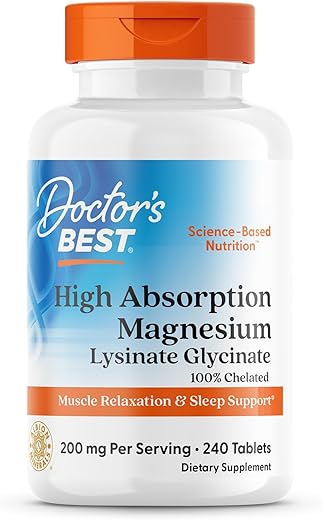
Must-Have
Stress Relief Magnesium Glycinate Capsules
Supports heart health and muscle function
Pure Encapsulations Magnesium Glycinate aids in stress relief, heart health, and muscle function while promoting better sleep. Made with premium ingredients, these capsules are free from common allergens and unnecessary additives.
How to Choose the Right Magnesium Supplement for Sleep
Selecting the ideal magnesium supplement for sleep doesn’t have to be overwhelming. By considering specific factors, you can tailor your choice to best suit your personal health needs and lifestyle. Here’s a practical guide to help you make informed decisions.
Consider Your Health Conditions
Before diving into the world of magnesium supplements, it’s essential to assess any underlying health conditions. For instance:
Digestive Sensitivity: If you have a sensitive stomach, opt for magnesium glycinate, known for being gentle and less likely to cause gastrointestinal distress.
Kidney Issues: Individuals with kidney problems should consult their healthcare provider before supplementing, as compromised kidneys may struggle to process magnesium effectively.
Evaluate Dietary Preferences
Your dietary habits also play a role in determining which supplement may be best:
Vegetarians/Vegans: Those following plant-based diets might benefit from magnesium citrate or glycinate, which can help fill nutritional gaps.
Allergies and Intolerances: Always check ingredients for any allergens—some magnesium supplements might contain gluten or artificial fillers which could trigger reactions.
Assess Medication Interactions
Magnesium can interact with certain medications, making it imperative to discuss supplementation with your healthcare provider if you’re taking:
Blood Pressure Medications: Magnesium may enhance the effects of certain antihypertensive drugs, leading to low blood pressure.
Diuretics: These can deplete magnesium levels, so you may need to monitor and adjust your intake accordingly.
Dosage and Timing
Once you’ve determined the right supplement type, it’s crucial to consider dosage and timing:
Dosage: The recommended dietary allowance (RDA) for magnesium varies by age and gender. For most adults, a daily intake of 310–420 mg is typically recommended. Starting with a lower dose and gradually increasing it can help you gauge how your body reacts.
Timing: For optimal sleep benefits, take magnesium supplements 30 minutes to an hour before bed. This timing supports relaxation and prepares your body for restful sleep.
Personal Anecdotes and Tips
Look at Tom, an avid runner experiencing restless nights due to muscle tension. He started with magnesium citrate and noticed significant improvements in his sleep quality. Exploring the right form and dosage helped him recover from his workouts and enjoy deeper sleep.
As you explore the landscape of magnesium supplements, keep in mind the interconnectedness of lifestyle and dietary choices. In our next section, we will delve into NATURAL SOURCES OF MAGNESIUM FOR SLEEP SUPPORT, providing you with easy ways to integrate this essential mineral into your everyday life.
Best Value
Potent 500mg Magnesium Glycinate Capsules
240 capsules for long-term support
Offering a high concentration of magnesium, these chelated capsules support energy, muscle, and heart health. With 240 capsules in a bottle, it’s a convenient choice for daily magnesium replenishment without unnecessary fillers.
When it comes to ensuring a restful night’s sleep, one of the best strategies is to incorporate magnesium-rich foods into your daily diet. These natural sources can significantly contribute to your magnesium intake while also offering a variety of other health benefits. Here’s how to boost your magnesium levels through your meals.
Foods Rich in Magnesium
Several foods are packed with magnesium, making them delicious allies in your quest for better sleep:
Leafy Greens: Spinach, Swiss chard, and kale offer generous servings of magnesium. For example, just one cup of cooked spinach contains about 157 mg of magnesium!
Nuts and Seeds: Almonds, cashews, and pumpkin seeds are not only nutritious but also excellent sources of magnesium. A handful of almonds (about 1 ounce) has roughly 76 mg of magnesium.
Legumes: Beans and lentils are both hearty and rich in magnesium. Black beans and chickpeas can make a great addition to salads and soups.
Whole Grains: Brown rice, quinoa, and barley enhance your diet while delivering a good dose of magnesium. One cup of cooked quinoa contains about 118 mg.
Fish: Fatty fish like mackerel and salmon are notable for both their omega-3 fatty acids and magnesium content. A 3-ounce serving of mackerel can carry about 82 mg of magnesium.
Dark Chocolate: An indulgent treat, dark chocolate (with at least 70% cacao) provides around 64 mg per ounce, making it not just a delightful snack but also a healthy choice for sleep support!
Easy Recipes to Incorporate Magnesium
To help you make the most out of these nutrient-dense foods, here are a couple of simple recipes:
Spinach Omelette: Whisk together eggs and toss in fresh sautéed spinach with a sprinkle of feta cheese. Enjoy a nutrient-packed breakfast that supports your magnesium intake from the get-go.
Chickpea Salad: Combine canned chickpeas, diced cucumbers, cherry tomatoes, and a dressing of olive oil and lemon juice. This refreshing salad is not only quick to make but also full of magnesium!
Healthy Choice
Magnesium Rich Recipes Cookbook
Delicious meals packed with essential nutrients
Discover a variety of delicious recipes that incorporate magnesium-rich ingredients to enhance your health. This cookbook provides practical tips and recipes to help you achieve optimal wellness through your diet.
Quinoa Stir-Fry: Sauté vegetables in a bit of sesame oil and toss in cooked quinoa. Add a splash of soy sauce and nuts of your choice for added crunch. This wholesome dish is not only filling but also a great magnesium source.
Lifestyle Strategies to Boost Magnesium Intake
Incorporating these foods is just the first step; consider these additional strategies for natural magnesium enhancement:
Meal Planning: Design weekly menus featuring magnesium-rich ingredients. This habit increases your chances of consistent intake.
Snacking Smart: Swap out processed snacks for a small handful of nuts or yogurt topped with seeds to boost magnesium levels during the day.
Cooking Methods: Opt for steaming or lightly sautéing vegetables to better preserve magnesium content.
By focusing on these natural sources, you can improve not just your magnesium levels, but also enhance your overall nutrition. In our next section, we will bring together the lifestyle tips that can synergize with magnesium intake for truly restorative sleep.
5
Lifestyle Tips for Enhancing Sleep with Magnesium
Integrating magnesium into your routine is a fantastic start for improving sleep, but pairing it with holistic lifestyle strategies can amplify your results. Let’s explore practical steps you can incorporate into your daily life to nurture your sleep environment and routine in tandem with your magnesium intake.
Establish a Sleep Routine
Creating a consistent sleep schedule is vital for fostering good sleep hygiene. Here are some tips:
Set a Sleep and Wake Time: Aim to go to bed and wake up at the same time every day, even on weekends. This consistency helps regulate your body’s internal clock, leading to better sleep quality.
Wind Down Before Bed: Allocate 30 to 60 minutes before bed for relaxation. Engage in calm activities such as reading, gentle stretching, or meditative practices, which can enhance the calming effects of magnesium.
Create a Sleep-Friendly Environment
Your bedroom should be a sanctuary for sleep. Focus on these key elements:
Darkness: Use blackout curtains to block out light, which can disrupt your circadian rhythm. Consider a sleep mask if curtains aren’t practical.
Temperature: Maintain a cool room temperature, ideally between 60-67°F (15-20°C), to promote better sleep.
Noise Control: If external noise disrupts your sleep, consider white noise machines or earplugs to create a more peaceful environment.
Relaxation Techniques
Incorporating relaxation techniques into your nightly routine can work wonders. Here are some strategies that complement magnesium both in function and effect:
Deep Breathing Exercises: Spend a few minutes practicing deep, slow breaths. Inhale through your nose for a count of four, hold for four, and exhale through your mouth for eight. This can reduce stress and anxiety, enhancing the calming impact of magnesium.
Progressive Muscle Relaxation: Tense and then relax each muscle group in your body, starting from your toes and working your way up to your head. This method can release tension accumulated throughout the day.
Mindful Eating Habits
While you nurture your magnesium levels through dietary choices, be aware of your eating habits leading up to bedtime:
Avoid Heavy Meals: Eating a large meal right before bed can lead to discomfort and disrupt sleep. Aim to finish eating at least two to three hours before bedtime.
Opt for Light Snacks: If you’re hungry, consider a light snack rich in magnesium—like yogurt with pumpkin seeds or a banana—just before bed to satisfy cravings without overloading your digestive system.
Embrace Movement
Regular physical activity can significantly impact sleep quality:
Timing Matters: While exercising during the day can enhance sleep, be cautious about intense workouts close to bedtime, as these can sometimes energize rather than relax you.
Gentle Activities: Consider incorporating calming yoga or a leisurely walk in the evening to promote relaxation.
By combining these lifestyle choices with your magnesium intake, you’ll pave the way for deeper, more restorative sleep. Taking a holistic approach ensures that as you nourish your body with magnesium, you also create an environment conducive to relaxation and rejuvenation.
As we look to wrap up this exploration of magnesium for sleep, the next section will guide you toward FINDING THE RIGHT MAGNESIUM FOR YOUR SLEEP NEEDS, ensuring you’re equipped with the knowledge to tailor your sleep support effectively.
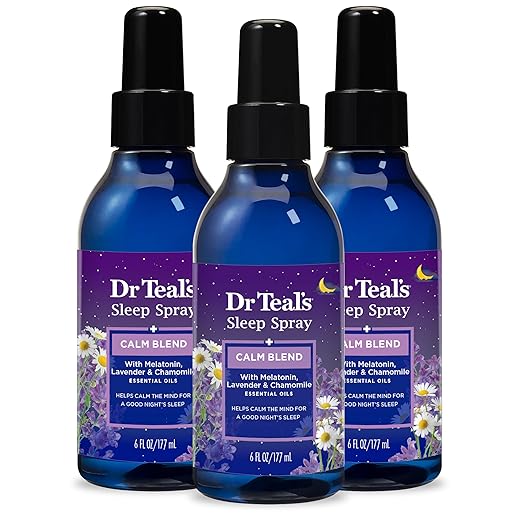
Best Relaxation Aid
Sleep Spray with Melatonin and Essential Oils
Calming mist for peaceful nights
Dr Teal’s Sleep Spray combines Melatonin with calming essential oils like lavender to help you unwind for a restful night. Easy to use, this multi-purpose spray can be applied to your bedding or body before sleep.
In summary, magnesium plays a crucial role in promoting restful sleep by helping to regulate neurotransmitters and support overall relaxation. By understanding the different types of magnesium supplements and their effects, you can make informed decisions about which option suits your lifestyle best. Whether you choose supplements or seek out natural dietary sources, integrating magnesium into your routine can significantly enhance your sleep quality.
Remember, it’s essential to listen to your body and consult with a healthcare professional before starting any new supplementation. Empower yourself with knowledge and take steps towards achieving a more restful night—because better sleep is within reach with the right magnesium for your needs!
I swear by magnesium for sleep! I’ve been using the Magnesium Glycinate Capsules and they work wonders. I finally sleep through the night without waking up every hour. Anyone else tried those?
I’ve heard good things about those! Do they make you feel groggy in the morning? 🤔
Great to hear, Sarah! Magnesium Glycinate is known for its high absorption rate. It’s definitely a popular choice for better sleep.
Honestly, I tried the sleep spray with melatonin and it kinda freaked me out. I felt super out of it the next day. 🥴 Is that normal?
It can take a little getting used to, Tommy. Some people do feel a bit groggy, while others find it works perfectly for them.
I had the same experience! I think it might depend on how sensitive you are to melatonin. Maybe try a lower dose next time?
I’m curious about the natural sleep aid with mushrooms. Anyone tried it? I’m scared it will taste weird or something. 😅
Mushroom extracts can be a bit weird for some, but they’re often well-masked in blends. Worth a shot!
I tried it! It was surprisingly good. You don’t even taste the mushrooms that much.
I’m more of a ‘natural sources’ kind of person. Anyone have good recipes? I want to get my magnesium from food, not pills. 🥗
Absolutely, Jenna! The Magnesium Rich Recipes Cookbook mentioned in the article has some great ideas!
Try spinach and almonds! They’re packed with magnesium. I make a killer spinach salad! 🥬
Ugh, sleep has been elusive lately. I’m tempted to try the potent magnesium capsules. Anyone had success with those?
Many people report positive results with the potent capsules, Liam! Worth a try if you struggle with sleep.
Yes! They really helped me a lot. Just be consistent with it!
The science behind magnesium and sleep is fascinating! I didn’t know it could impact melatonin levels. Gonna research more! 📚
Right? I love learning about how our bodies work. Makes me appreciate my supplements more!
Glad to hear you found it interesting, Sophie! There’s so much to discover about nutrition and sleep.
Just ordered those stress relief capsules! Fingers crossed they help me chill out. My sleep has been a wreck lately. 😩
Good luck! I hope they work for you! I’ll need them too if I don’t stop binge-watching Netflix til 3am. 😂
Hope you find relief soon, Emily! Stress can really mess with your sleep.
I noticed that when I started taking magnesium, my dreams got super vivid. Is that a thing? Or am I just losing it? 😂
Totally a thing! I read that magnesium can influence dream patterns. Just enjoy the ride! 🌙
That’s actually pretty common, Greg! Some people report more vivid dreams with magnesium supplementation.
I’m on the fence about magnesium. I’ve read conflicting stuff about it. Is it really worth taking if I eat well?
It can still be helpful, especially if you’re not getting enough from food alone. I’d give it a shot!
It really depends on your individual needs, Rick. Some people find great benefits, while others may feel fine without it.










I swear by magnesium for sleep! I’ve been using the Magnesium Glycinate Capsules and they work wonders. I finally sleep through the night without waking up every hour. Anyone else tried those?
I’ve heard good things about those! Do they make you feel groggy in the morning? 🤔
Great to hear, Sarah! Magnesium Glycinate is known for its high absorption rate. It’s definitely a popular choice for better sleep.
Honestly, I tried the sleep spray with melatonin and it kinda freaked me out. I felt super out of it the next day. 🥴 Is that normal?
It can take a little getting used to, Tommy. Some people do feel a bit groggy, while others find it works perfectly for them.
I had the same experience! I think it might depend on how sensitive you are to melatonin. Maybe try a lower dose next time?
I’m curious about the natural sleep aid with mushrooms. Anyone tried it? I’m scared it will taste weird or something. 😅
Mushroom extracts can be a bit weird for some, but they’re often well-masked in blends. Worth a shot!
I tried it! It was surprisingly good. You don’t even taste the mushrooms that much.
I’m more of a ‘natural sources’ kind of person. Anyone have good recipes? I want to get my magnesium from food, not pills. 🥗
Absolutely, Jenna! The Magnesium Rich Recipes Cookbook mentioned in the article has some great ideas!
Try spinach and almonds! They’re packed with magnesium. I make a killer spinach salad! 🥬
Ugh, sleep has been elusive lately. I’m tempted to try the potent magnesium capsules. Anyone had success with those?
Many people report positive results with the potent capsules, Liam! Worth a try if you struggle with sleep.
Yes! They really helped me a lot. Just be consistent with it!
The science behind magnesium and sleep is fascinating! I didn’t know it could impact melatonin levels. Gonna research more! 📚
Right? I love learning about how our bodies work. Makes me appreciate my supplements more!
Glad to hear you found it interesting, Sophie! There’s so much to discover about nutrition and sleep.
Just ordered those stress relief capsules! Fingers crossed they help me chill out. My sleep has been a wreck lately. 😩
Good luck! I hope they work for you! I’ll need them too if I don’t stop binge-watching Netflix til 3am. 😂
Hope you find relief soon, Emily! Stress can really mess with your sleep.
I noticed that when I started taking magnesium, my dreams got super vivid. Is that a thing? Or am I just losing it? 😂
Totally a thing! I read that magnesium can influence dream patterns. Just enjoy the ride! 🌙
That’s actually pretty common, Greg! Some people report more vivid dreams with magnesium supplementation.
I’m on the fence about magnesium. I’ve read conflicting stuff about it. Is it really worth taking if I eat well?
It can still be helpful, especially if you’re not getting enough from food alone. I’d give it a shot!
It really depends on your individual needs, Rick. Some people find great benefits, while others may feel fine without it.